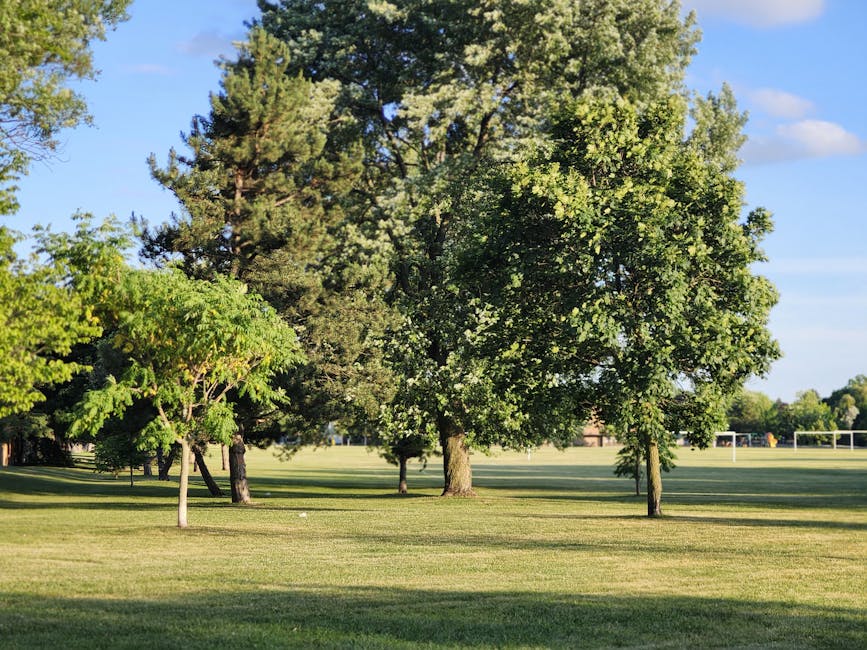
Gardeners Bedford Park tips for Acton Green and Northfields
If you garden in Acton Green or Northfields, you already know the mix of charm and challenge that comes with West London outdoor spaces. Narrow plots, awkward shade, exposed corners, and a constant battle with weeds can make even a small garden feel like a full-time job. That is exactly where Gardeners Bedford Park tips for Acton Green and Northfields become useful: not as generic advice, but as practical, local-minded guidance you can actually use in a real garden.
In this article, you will find a grounded, step-by-step approach to keeping planting beds tidy, lawns healthier, hedges better shaped, and small spaces more usable through the year. We will also cover the sorts of decisions people often put off too long - what to prune, what to leave, what to replace, and when a proper maintenance plan makes life easier. Let's face it, most gardens do not fail all at once; they slowly drift. The good news? That drift is reversible.
Why Gardeners Bedford Park tips for Acton Green and Northfields Matters
Local gardening advice matters because no two gardens behave the same way, and West London plots have their own quirks. In Acton Green and Northfields, many gardens are overlooked by neighbouring buildings, shaded by mature trees, or exposed to wind funnels created by terraces and side returns. A planting plan that looks perfect in a magazine can become frustratingly weak here. The soil may be compacted, the lawn patchy, and the privacy level not quite enough for a morning coffee outside.
That is why a local approach is valuable. It focuses on the conditions you actually have: partial shade, container-heavy layouts, narrow access, family use, pet use, and year-round maintenance. A garden does not need to be grand to be good. It needs to be coherent, well cared for, and suited to its surroundings.
There is also a practical side. If you ignore a hedge for one season, it often becomes a two-person job later. If you leave ivy unchecked, it can spread into awkward areas faster than people expect. And if a lawn is stressed through summer, it can take months to settle again. Small interventions, done on time, save much bigger headaches later. That is the real message behind Gardeners Bedford Park tips for Acton Green and Northfields: early, steady care wins.
For homeowners trying to reclaim an overgrown space, a thoughtful reset can make a huge difference. If your garden feels more like a storage yard than a place to sit out, a structured refresh is often the fastest route back. A good starting point is a proper garden makeover mindset, which is covered well in launching a makeover for a neglected garden oasis.
How Gardeners Bedford Park tips for Acton Green and Northfields Works
The approach works by breaking garden care into manageable layers rather than treating everything as one giant task. Think of it in terms of structure, planting, surface care, and seasonal follow-through. In a small or medium London garden, that usually means checking the basics first: borders, hedge lines, lawn health, pathways, drainage, and access.
Here is the practical logic. First, assess what is working and what is not. Second, prioritise tasks that stop problems from getting worse, such as weed growth, dead patches, and uncontrolled shrubs. Third, choose maintenance methods that suit the space, not the other way around. A vertical planting solution may help where borders are slim. Containers may make more sense than reworking the whole bed. A well-timed hedge trim may improve light, privacy, and shape at once.
In our experience, the best results come when maintenance is scheduled around the garden's behaviour, not the calendar alone. For example, some lawns need more regular mowing in peak growth months, while some borders benefit from lighter but more frequent attention. You do not need to do everything every week. You do need consistency. Bit by bit, the garden begins to settle.
For seasonal protection, it helps to plan ahead before bad weather does the planning for you. A useful companion read is weatherproof your garden tactics against severe weather damage, especially if your plot gets hit by strong rain or wind.
Key Benefits and Practical Advantages
A good maintenance plan brings benefits that go well beyond appearance. Yes, a tidy garden looks better. But the practical gains are often bigger.
- Less reactive work: You spend less time fixing crises and more time preventing them.
- Better light and airflow: Correct pruning can open up darker corners and reduce damp buildup.
- Improved usability: A usable lawn, clean patio, and sensible planting make the whole garden feel bigger.
- Stronger plant health: Regular feeding, pruning, and soil care support more reliable growth.
- Higher privacy: Thoughtful hedging, climbers, and screening can make a narrow space feel calmer.
- Lower long-term costs: Small regular work usually costs less than big remedial jobs later.
One benefit many people miss is emotional, not technical. A garden that is easy to manage encourages you to use it. If you know the lawn is under control, the beds are tidy, and there is somewhere to sit, you go outside more often. That sounds obvious, but it changes how a home feels.
Privacy is another major advantage in close-knit residential streets. A well-placed hedge, screen, or climbing plant can soften overlooking without making the space feel boxed in. If that is high on your list, this guide to creative ways to add privacy to your outdoor space is worth a look.
Who This Is For and When It Makes Sense
This sort of garden guidance suits a wide range of people, but it is especially useful if any of the following sound familiar:
- You own a small back garden or courtyard and want it to feel more structured.
- You are dealing with patchy lawn, bare soil, or stubborn weeds.
- Your hedges, climbers, or shrubs are getting away from you.
- You want the garden to be family-friendly, pet-friendly, or simply easier to live with.
- You have inherited a neglected space and do not know where to begin.
- You need a maintenance rhythm that fits a busy week, not a fantasy schedule.
It also makes sense if you are weighing up whether to DIY or bring in help. Truth be told, some jobs are satisfying to do yourself, like deadheading, light pot refreshes, or topping up mulch. Others are more time-sensitive or physically demanding, such as hedge reduction, larger clearance, or recurring lawn care. The right answer depends on the size of the job, the tools you have, and how much spare time you actually have - which, for most people, is not an endless amount.
If you are exploring broader support, our gardening services and garden maintenance options are useful starting points for comparing what level of help makes sense.
Step-by-Step Guidance
Below is a practical, no-nonsense process for improving a garden in Acton Green or Northfields without overcomplicating it.
- Walk the garden slowly. Look for overgrowth, dead patches, blocked access, slippery paving, and areas that always stay wet or dry out too fast.
- Decide what must be done first. Safety and structural issues come before decorative upgrades. For example, a failing fence panel or unstable branch should not wait until "next month".
- Tackle weeds and self-seeders. Clear what is competing with the plants you actually want. If weeds are persistent, use a routine rather than a one-off blitz. A handy explainer is simplify weed control with these 3 practical tips.
- Shape hedges and shrubs. Keep height, width, and density under control. This improves light, tidiness, and privacy all at once. If you need inspiration, take a look at customized hedge trimming techniques.
- Improve the soil. Compacted or tired soil can hold a garden back for years. Add organic matter where it helps, especially in beds that look thin or pale. The article on organic soil making is a practical companion.
- Choose the right planting style. If space is tight, use containers, climbers, or vertical planting. It is often cleaner and more adaptable than forcing a border to do everything. For ideas, see the versatility of container gardening and step-by-step to your own vertical plant wall.
- Refresh the lawn or ground layer. Trim, feed, overseed, or replace sections depending on damage. Ground cover can be a smarter choice than bare soil in some spots, especially under trees or in awkward shade. See ground covers to make your UK garden stand out.
- Add one finishing layer. A seating area, a screen, a small herb patch, or a border refresh can make the space feel complete. If you cook at home a lot, a homegrown herb garden is a surprisingly satisfying upgrade.
The main point is not perfection. It is momentum. One tidy section leads to another. Before long, the whole space stops feeling like a chore and starts feeling like yours again.
Expert Tips for Better Results
These are the little habits that usually separate a decent garden from a genuinely good one.
- Prune for light, not just for shape. In shaded London gardens, a little extra light can make a huge difference to lawn performance and plant vigour.
- Use structure to reduce maintenance. A hedge line, edging, or repeating container shape makes a garden feel organised even when planting is simple.
- Pick plants that suit the site. A shade-tolerant plant in a shaded garden beats a glamorous but struggling plant every time. No contest.
- Mulch where bare soil keeps drying out. This helps retain moisture and keeps weeds down. It also gives borders a cleaner finish.
- Think about sightlines. If you can see the worst corner of the garden from the kitchen window, start there. You will feel the benefit every day.
- Do not overfill a small space. In compact gardens, a few good features usually work better than lots of tiny ones fighting for attention.
For lawns in particular, timing matters. If you are away for a while or simply busy, it is worth thinking ahead so the grass does not become a problem while life is happening. The guide on maintaining your lawn during vacation is useful for exactly that kind of planning.
And if your garden is dog-friendly, choose your planting and layout with that in mind. A path that gets muddy or a bed that gets trampled every weekend will not stay neat for long. There is a helpful read here on dog-approved tips for a thriving garden.
Common Mistakes to Avoid
Most garden problems are not caused by one huge mistake. They come from a string of small ones.
- Ignoring seasonal growth: A hedge can look fine for months and then suddenly feel oppressive. Regular trimming prevents that heavy, overgrown look.
- Using the wrong plant in the wrong place: Sun-loving plants in deep shade or thirsty plants in exposed pots usually struggle. It is not the plant being "difficult"; the site is wrong.
- Leaving ivy unchecked: Ivy has its uses, but unmanaged growth can become a nuisance. If it has taken hold, see never deal with ivy again: a guide.
- Overcomplicating the design: Too many materials, colours, or planting styles can make a small garden feel crowded.
- Skipping soil improvement: Replacing plants without improving the ground beneath them is a bit like repainting over damp patches. It looks better briefly, then disappoints.
- Forgetting access and safety: Slippery patios, uneven edges, and blocked paths are more than just untidy. They are hazards.
One of the more common mistakes is trying to fix everything in one afternoon. That rarely works well. A better approach is to set a sequence and stick to it. Clear first, then prune, then feed, then plant. Simple. Not always easy, but simple.
Tools, Resources and Recommendations
You do not need a shed full of specialist kit to keep a London garden in shape. A tight, sensible toolkit is usually enough for the majority of routine work.
- Hand shears and secateurs: Useful for trimming soft growth, deadheading, and tidy shaping.
- Long-handled loppers: Handy for thicker stems and awkward branches.
- Rake and garden fork: Good for clearing debris, aerating compacted patches, and lifting stubborn roots.
- Watering can or hose with control: Especially helpful in dry spells or container-heavy gardens.
- Gloves and sturdy footwear: Not glamorous, but very necessary.
- Wheelbarrow or garden trug: Saves time when moving cuttings and soil around a small space.
If you are building your own toolkit, the article on key gardening tools for enthusiastic growers is a good reference point.
For larger jobs, you may want to compare service types before deciding how much to take on yourself. A homeowner might need only lawn care, while another needs a broader package that includes lawn mowing, hedge work, and tidy-up visits. If surfaces need attention too, patio cleaning can make a surprising difference to the overall look. Clean paving changes the feel of a garden more than people expect, honestly.
When the issue is more structural than cosmetic, a rethink may be better than patching. That is where landscaping, fencing, decking services, or tree surgery may be the right fit. Different jobs, different tools, different expectations.
Law, Compliance, Standards, or Best Practice
For most home gardens, compliance is less about paperwork and more about doing things safely, responsibly, and with care for neighbours and the site. That said, there are a few practical standards worth keeping in mind.
- Safety first: Tools should be used with proper protective gear and a clear workspace. Cuttings, cords, and debris should be managed so nobody trips or slips.
- Boundary awareness: If work is near fences, shared edges, or adjoining trees, be mindful of ownership and access. It is always better to check than assume.
- Waste handling: Green waste should be collected and disposed of responsibly. Composting is great where suitable, but not everything should be left in a heap.
- Tree work caution: Bigger pruning or removal jobs should be assessed carefully. Not all branches are equal, and not all tree issues are obvious from the ground.
- Hedge and privacy considerations: Trimming should support the health and shape of the plant, not just create a hard line. That matters for longevity.
Good practice also means transparency. If you are comparing help from a contractor, make sure you understand what is included, how access will work, and what happens if conditions on site change. Reading the service terms properly is not thrilling, no, but it prevents awkward surprises. The site's terms and conditions, health and safety policy, insurance and safety, and payment and security pages are all sensible reference points before booking work.
If you ever need to raise a concern or understand how feedback is handled, the complaints procedure is worth knowing about too. Clear process builds trust, and frankly it should.
Options, Methods, or Comparison Table
Choosing the right approach depends on your space, your time, and how polished you want the result to feel. Here is a straightforward comparison of common garden-care methods for Acton Green and Northfields properties.
| Method | Best for | Strengths | Limitations |
|---|---|---|---|
| DIY routine care | Small jobs, light upkeep, weekly tidying | Low cost, flexible, hands-on control | Time-consuming, easy to let slip, may lack specialist finish |
| Scheduled maintenance visits | Busy homeowners, medium gardens, recurring upkeep | Consistency, less stress, better long-term order | Needs planning and a clear scope |
| One-off restoration | Neglected gardens, move-in refreshes, seasonal resets | Fast visual improvement, clears backlog | May need follow-up to keep results in place |
| Structural improvements | Poor layout, privacy problems, hard landscaping issues | Longer-lasting transformation, better use of space | Usually more involved and may need more budget |
For many households, the sweet spot is a blend: DIY for small weekly tasks, with occasional professional help for larger or more technical jobs. That way the garden never gets completely out of hand, but you also do not burn out trying to keep up with everything yourself.
Case Study or Real-World Example
Here is a realistic example from the sort of garden work people often face in Acton Green and Northfields. A narrow rear garden had a tired lawn, a hedge that had drifted too high, and one corner that never quite dried out after rain. The owners wanted something calmer, easier to manage, and a bit more private from neighbouring windows.
The first step was not planting. It was clearing. Old debris, self-seeded weeds, and awkward clutter came out first so the space could be read properly. Then the hedge was reshaped to restore light at the back, the lawn was lightly renovated, and a more tolerant planting scheme was introduced in the wetter corner. A few containers were added near the seating area so the garden had colour even when the borders were quiet.
The result was not dramatic in the over-the-top sense. It was better than that. The space felt calmer, the mowing became simpler, and the owners could actually sit out without staring straight into neighbouring upper windows. A small path was cleaned, the planting looked deliberate, and the whole garden started to work as a room rather than a leftover patch. You could smell the cut grass, hear a bit less clutter, and suddenly the place made sense.
If you are facing something similar, it may help to start with a refresh rather than a fantasy redesign. A practical reset often gives better long-term value than ripping everything out. For that kind of thinking, low-maintenance garden ideas and seating arrangement tricks can be surprisingly useful.
Practical Checklist
Use this quick checklist to keep your garden work on track.
- Walk the garden and note the worst problem areas.
- Clear debris, weeds, and obvious clutter first.
- Check hedges, shrubs, and climbers for overgrowth.
- Inspect the lawn for bare patches, moss, or compaction.
- Look at drainage and drainage-prone corners after rain.
- Decide whether borders need mulch or fresh soil improvement.
- Choose one privacy upgrade if overlooking is an issue.
- Refresh containers with plants suited to the light conditions.
- Make access safe and clear along paths and steps.
- Set a realistic maintenance rhythm for the next month.
Expert summary: the easiest way to keep an Acton Green or Northfields garden under control is to combine light, regular upkeep with a few well-chosen improvements. Fix structure first, then improve planting, then maintain consistency. That order saves time and keeps the result looking intentional rather than improvised.
Conclusion
Gardeners Bedford Park tips for Acton Green and Northfields are really about making outdoor space fit everyday life. Not a perfect lifestyle. Real life. Families, pets, bad weather, busy weeks, not enough storage, and sometimes not enough sunlight either. When you work with the garden's actual conditions, things improve faster and stay better for longer.
Whether you need lighter maintenance, a privacy boost, a lawn reset, or a larger tidy-up, the best approach is calm, practical, and steady. Start with what matters most, keep the rhythm going, and do not be afraid to simplify. A garden can be modest and still feel lovely. In fact, that is often the point.
Get a free quote today and see how much you can save.
And if you are at that stage where the space is almost there but not quite, that is a good place to be. It means the garden has potential, and potential is a nice thing to work with.
Frequently Asked Questions
What are the most useful Gardeners Bedford Park tips for Acton Green and Northfields?
The most useful tips are the practical ones: clear overgrowth early, keep hedges shaped, improve tired soil, choose plants that suit shade or exposure, and maintain the garden in small regular sessions rather than waiting for a big clean-up.
How often should a small London garden be maintained?
That depends on growth and use, but many small gardens benefit from light attention every week or two during peak growing season. Lawns, hedges, and weeds usually need more frequent checks in spring and summer.
Is it better to use containers or borders in a compact garden?
Often both work best together. Containers add flexibility, structure, and easy seasonal colour, while borders create a more rooted, permanent framework. In tight spaces, containers can be especially useful where soil is poor or access is awkward.
What should I do first in a neglected garden?
Start by clearing debris and identifying the biggest problems. Then deal with weeds, dead growth, and any safety issues. After that, you can assess what should be pruned, replanted, or redesigned.
How can I make my garden feel more private without making it gloomy?
Use layered screening rather than hard barriers. Hedges, climbers, and well-placed planting can soften sightlines while still keeping the garden open and pleasant. The goal is seclusion, not a bunker.
When is hedge trimming most effective?
It depends on the hedge type and growth rate, but routine trimming is usually better than waiting too long. Regular shaping keeps hedges denser, healthier, and easier to manage than a single heavy cut.
What are the signs that a lawn needs more than mowing?
If the lawn has bare patches, moss, compaction, poor colour, or uneven growth, it may need feeding, aeration, overseeding, or a more detailed care plan. Mowing alone will not fix a struggling lawn.
Can shade-loving plants still look good in a West London garden?
Yes, absolutely. Shade does not mean dull. It just means choosing the right plants for the light available. Ground covers, evergreen climbers, and some container plants do very well in partial shade.
How do I keep weeds under control without constant weeding?
Combine regular hand weeding with mulch, good soil coverage, and dense planting where appropriate. Bare soil is basically an invitation for weeds, so keeping the ground covered helps a lot.
Do I need professional help for garden maintenance?
Not always. Many tasks are suitable for DIY, especially small tidying jobs. But if the space is overgrown, if access is difficult, or if you want consistent results without the hassle, professional help can be a sensible option.
What should I ask before booking garden work?
Ask what is included, how long the work is likely to take, what access is needed, how waste is handled, and whether the job is one-off or part of a maintenance plan. Clear expectations save time and stress for everyone.
Where can I find more information about services and standards?
You can review the company's about us page for background and the relevant service pages for the type of work you need. If you want to speak directly, use the contact page to get in touch.