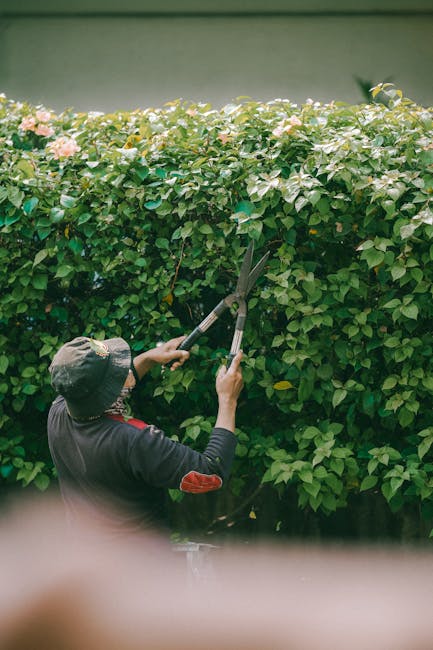
Emergency garden clearance gardeners urgent jobs Bedford Park
If your garden has tipped from "a bit messy" into something that feels urgent, you are not alone. Storm debris, overgrown access paths, fly-tipped rubbish, fallen branches, ivy gone wild, or a rental move-out deadline can all create the same problem: you need it cleared properly, quickly, and without turning a stressful day into a worse one. This guide to Emergency garden clearance gardeners urgent jobs Bedford Park explains what emergency clearance involves, how the process usually works, what good service looks like, and how to avoid the common mistakes that slow everything down.
Whether you are dealing with a safety hazard, a last-minute property handover, or a garden that has simply got away from you, the aim is the same: restore order fast, but do it in a sensible, safe way. Let's face it, when the garden is blocking a door, attracting pests, or making the place look neglected, waiting a week often isn't an option.
Why Emergency garden clearance gardeners urgent jobs Bedford Park Matters
Urgent garden clearance is not just about tidying up. In a local area like Bedford Park, where homes are often closely used and outdoor spaces may need to stay neat, accessible, and presentable, a neglected garden can quickly become a practical problem rather than a cosmetic one.
Some situations are obvious emergencies. A tree limb has come down after a blustery night. A hedge is blocking sight lines at the front of a property. A garden gate won't open because debris has piled up behind it. In other cases, the urgency is more subtle: a tenant is moving out tomorrow, a family member needs safer access, or the garden has become too cluttered for children, pets, or older residents to use comfortably.
There is also the simple momentum of neglect. Once brambles take hold, green waste accumulates, and paths disappear under weeds, the job grows faster than most people expect. One Saturday of "I'll get to it later" becomes three months of not wanting to look outside. It happens all the time.
Practical takeaway: emergency clearance is about restoring usable space, reducing risk, and stopping a small problem from turning into a bigger, more expensive one.
A good urgent response should be calm, methodical, and safe. It should not feel rushed in a careless way. That balance matters, especially where access, boundaries, sheds, fencing, and neighbouring properties all need to be respected.
How Emergency garden clearance gardeners urgent jobs Bedford Park Works
Emergency clearance usually follows a fairly simple pattern, even if the situation itself looks chaotic. The first step is a quick assessment of what needs removing, what can stay, and whether there are any immediate hazards. A professional gardener will often want to know about blocked access, heavy materials, thorny growth, tree damage, or anything unsafe to lift.
From there, the job is broken down into manageable stages. That might include:
- removing loose waste and obvious hazards first
- cutting back overgrowth to regain access
- lifting and separating green waste from general rubbish
- handling bulky items, fallen material, or embedded roots
- raking, sweeping, and leaving the area safe and tidy
- arranging disposal in line with the service's usual waste process
In our experience, the best urgent jobs are the ones where the team is clear about priorities from the outset. Not every garden needs a full reset. Sometimes it needs a focused intervention: clear the path, remove the broken material, cut the trip hazards, and get the place safe again before moving on to finer details later.
For example, if a back garden is overrun with ivy and fallen branches after bad weather, the first goal is access and safety. Cosmetic work can wait. If the issue is a rental inspection, the order may be different: remove debris, edge the boundaries, make the lawn presentable, and make sure the space photographs well. Different problem, different rhythm.
If you need broader support after the immediate clearance, it can help to look at ongoing garden maintenance so the same mess does not return two weeks later. And if the job has turned into a wider garden overhaul, the same team may be able to help with general gardening services as part of a more planned recovery.
Key Benefits and Practical Advantages
The biggest benefit of emergency clearance is obvious: you get your space back. But the practical advantages go a bit further than that.
- Safety improves quickly. Loose branches, hidden debris, broken edging, and overgrown paths can all create trip or cut risks.
- Access is restored. Doors, gates, side returns, bin areas, and service routes become usable again.
- Stress drops. A garden that feels out of control has a way of sitting in the back of your mind. Clearing it creates a real psychological reset.
- Kerb appeal recovers. That matters if you are selling, letting, or simply don't want the front or rear of the property to look abandoned.
- Pests and damp-related issues are less likely. Dense waste, stagnant corners, and long grass can encourage problems you'd rather not invite.
There is also a less glamorous but important benefit: good clearance makes future work easier. Once the clutter is gone, you can see drainage issues, broken fencing, damaged decking, compacted soil, or areas where plant growth has been crowding structures.
That is where service combinations can make sense. A clear-up may reveal that a boundary needs attention, which is why some homeowners follow clearance with fencing repairs or even a bit of landscaping to reshape the space properly. In other words, the clearance becomes the first honest look at the garden in months.
And if the mess is mostly heavy ivy, brambles, and persistent growth around structures, it is worth reading this guide to dealing with ivy because that kind of growth has a sneaky way of returning if it is not handled at the root level.
Who This Is For and When It Makes Sense
Emergency clearance is for anyone who needs the garden dealt with quickly, but there are a few common scenarios where it really makes sense.
- Homeowners facing sudden overgrowth: after a holiday, a period of illness, or a patch of wet weather.
- Landlords and letting agents: when a property needs to be turned around between tenancies.
- Older residents or families with mobility concerns: when pathways and steps have become unsafe.
- People preparing for sale or photography: when the garden needs to look respectable fast.
- Businesses or managed properties: where exterior presentation affects visitors and tenants.
- Anyone recovering from storm damage: especially when branches, leaves, and loose waste have scattered across the space.
Sometimes the trigger is not dramatic at all. You step outside with a mug of tea on a grey Sunday morning and realise the garden no longer feels like part of the home. It feels like a job queue. That's usually the point where people start searching for urgent help.
If privacy, screening, or boundary cover matters after the clearance, it may also be useful to explore creative ways to add privacy to your outdoor space. Once the clutter is removed, it becomes much easier to plan what should replace it.
Step-by-Step Guidance
If you are arranging an emergency garden clearance, here is the most sensible way to approach it.
- Identify the urgent issue. Is it safety, access, appearance, or a mix of all three? Be specific. "Garden is a mess" helps less than "front path blocked by cut branches and bins inaccessible."
- Photograph the space. A few clear pictures help explain the scale of the job and show any awkward access points.
- List the priority items. Note anything that must be removed first, such as fallen limbs, broken panels, or waste close to doors.
- Check for sensitive areas. Mention ponds, herb beds, fragile plants, pets, locked side access, or shared boundaries.
- Ask what is included. Clearance can mean very different things. Some jobs include loading and tidying only; others include cutting back, sorting, and disposal.
- Confirm the timing. Urgent jobs often depend on the crew's availability, the amount of waste, and whether specialist tools are needed.
- Prepare the site if you can. Move cars, unlock gates, secure pets, and clear indoor access to external taps or power if needed.
- Walk the garden after the job. Do a quick final check before the team leaves so anything missed can be pointed out then and there.
That last step sounds obvious, but in practice it saves hassle. A quick walk-through while everything is fresh is far better than noticing a hidden pile of debris later under the faint light of evening. Tiny thing, big difference.
If the clearance is happening after a period of neglect, you may find it useful to follow up with launching a makeover for your neglected garden oasis. It is a good bridge between "clear it out" and "make it usable again."
Expert Tips for Better Results
There are a few habits that consistently improve the outcome of urgent garden clearance jobs.
- Separate green waste from mixed rubbish early. It speeds up removal and reduces confusion on site.
- Focus on access before aesthetics. A clear route through the garden makes every other task easier.
- Keep plant material damp if it is very dry and brittle. This can reduce dust and make handling less messy, though it is not always necessary.
- Ask for cut-back advice, not just removal. If the same growth will return from the stump or root zone, you want a plan, not just a quick trim.
- Deal with boundaries carefully. A shared fence line or hedge can become awkward fast if one side is cleared without thought.
To be fair, a lot of garden chaos comes from good intentions. A few branches are "left for later," a pile of leaves becomes a heap, and suddenly there is a wheelbarrow worth of material sitting beside the shed. Nothing sinister. Just normal life. But expert crews know how to stop that drift and get the space back under control without making it look overworked.
If your urgent job involves stubborn growth, a bit of prep knowledge goes a long way. For example, simple weed control tips can help you understand why some areas keep reappearing as a problem. And if soil quality is part of the bigger picture, organic soil making is a useful next step once the emergency is over.
Common Mistakes to Avoid
Urgency makes people cut corners. Understandable, but not ideal. These are the mistakes that most often cause trouble.
- Choosing speed over clarity. If the service does not understand the job, the result may be incomplete.
- Ignoring disposal questions. Some jobs become messy because the waste plan was not discussed up front.
- Forgetting hidden hazards. Broken glass, rotten timber, sharp metal, and unstable branches can all be tucked away under growth.
- Assuming every plant should go. In a rush, people sometimes remove healthy or valuable plants that could have been saved.
- Not thinking about aftercare. If you leave the area bare and unmanaged, weeds and regrowth can return surprisingly fast.
There is another one, and it happens more than you'd think: people underestimate how much can be done in one visit. If the work is genuinely substantial, the best result may be staged clearance rather than trying to force everything into a single frantic block. That is not a failure. It is just sensible planning.
If weather is part of the problem, it is worth looking at weatherproofing tactics against severe weather damage so the same chaos does not happen again after the next strong wind or heavy rain.
Tools, Resources and Recommendations
For professional urgent clearance, the exact tools used depend on the job, but the toolkit usually includes some combination of cutting, lifting, collecting, and loading gear. A well-equipped team may bring cutters, pruners, loppers, saws, rakes, tarps, gloves, sacks, and transport equipment for waste removal. Nothing glamorous. Just the right kit for messy work.
For homeowners, the key is not to overbuy tools for one emergency. Start with the basics you will genuinely use:
- sturdy gloves
- strong refuse sacks or bags for smaller waste
- a rake and broom
- secateurs or loppers for light cutting
- basic pruning tools if safe to use
- a head torch or portable light if you are checking the area at dusk
If you are the kind of person who likes to be ready next time, key gardening tools for enthusiastic growers is worth a look. It is not about turning your shed into a hardware museum. Just making sure you have the right few items when things get busy.
For longer-term garden recovery, these pages can also help shape the next phase after the emergency is over:
- lawn care for recovering tired turf
- lawn mowing for keeping growth under control
- patio cleaning when hard surfaces have been buried under dirt or moss
- tree surgery if the issue involves unsafe limbs or structural growth
Law, Compliance, Standards, or Best Practice
With emergency clearance, the main thing is to stay careful and sensible. In the UK, garden work should follow ordinary health and safety expectations: workers should avoid unnecessary risk, use suitable equipment, and manage sharp, heavy, or unstable material properly. If a tree or branch looks dangerous, that is not the moment for improvisation.
There are also practical boundaries around waste handling, access, and property responsibility. If a job involves shared fences, neighbouring land, rented property, or communal access, it is wise to be clear about permissions before anything is removed. That can prevent awkward conversations later. And let's be honest, nobody wants a quick tidy-up to become a neighbour issue.
Best practice usually means:
- identifying hazards before work starts
- protecting plants or features that should be retained
- keeping pathways, exits, and working zones clear
- using appropriate personal protective equipment
- handling waste responsibly
- checking whether specialist help is needed for trees or structural damage
If you want to understand how a company frames these responsibilities, it is sensible to review pages such as health and safety policy, insurance and safety, and payment and security before booking. Those pages do not clear the garden for you, obviously, but they do tell you something about professionalism.
Options, Methods, or Comparison Table
Not every urgent garden problem needs the same response. Sometimes a fast clear-up is enough. Sometimes you need a more structured intervention. Here is a simple comparison to help you decide.
| Approach | Best for | Strengths | Limitations |
|---|---|---|---|
| Basic emergency clearance | Blocked access, surface debris, first-pass tidy-up | Fast, practical, restores usability quickly | May not solve deeper regrowth or underlying issues |
| Cut-back plus clearance | Overgrown borders, brambles, ivy, dense planting | Improves access and visual order at the same time | Can take longer and may create more waste |
| Clearance plus repair work | Storm damage, broken boundaries, damaged hard landscaping | Addresses safety and structure together | Often requires more planning and coordination |
| Clearance plus redesign | Neglected gardens, layout problems, repeated clutter | Creates a longer-lasting solution | Not always suitable for same-day urgent work |
For many Bedford Park homes, the smartest route is a staged one: urgent clearance first, then a short review of what needs maintenance, repair, or redesign later. That way you are not making long-term decisions while standing in the middle of a mess. Which, truth be told, is never the best place for big decisions.
Case Study or Real-World Example
A typical urgent job might start like this: a homeowner returns after a few weeks away and finds the side access full of windblown leaves, broken twigs, and dense growth creeping across the path. The bins are hard to reach, the gate barely opens, and a patch of ivy has climbed further than anyone expected. Nothing catastrophic, but enough to feel overwhelming.
The first priority is clear access. The crew removes loose debris, cuts back the most obstructive growth, and checks for hidden hazards around the path edge. Next, the waste is separated so the area can be cleared efficiently. Once the space is open again, the homeowner can see that a small fencing section also needs attention and one border would benefit from a proper tidy rather than just a quick chop.
The important part is not that the garden becomes perfect in one go. It is that the space stops being stressful. The gate works again. The path is visible. The property feels lived in, not abandoned. That change matters more than people admit at first.
For future upkeep, the homeowner might follow up with regular garden maintenance and a bit of low-maintenance garden ideas so the same pressure does not build up again. Small changes, but they help.
Practical Checklist
Use this quick checklist if you need urgent garden clearance arranged.
- Identify the main problem: access, safety, appearance, or storm damage
- Take clear photos of the worst areas
- Note any hazards: broken glass, unstable branches, slippery surfaces, pests
- List what must be kept, such as plants, pots, or garden furniture
- Check if gates, side access, or parking need to be arranged
- Confirm whether waste removal is included
- Ask how soon the job can realistically be started
- Prepare pets, children, and valuables away from the work area
- Walk the site after completion and flag anything missed
- Plan the follow-up: mowing, cutting back, repairs, or longer-term maintenance
If the garden has become a bit of a wild corner, you are not failing at anything. It just needs attention, and sometimes it needs it now. The key is to act before the job gets bigger.
For a first conversation, you can always start with the team's contact page and explain what is happening. Clear details help everyone.
Get a free quote today and see how much you can save.
Conclusion
Emergency garden clearance is about more than hauling away mess. It is about restoring calm, safety, and usable space when a garden suddenly stops behaving like part of the home. In Bedford Park, where kerb appeal, access, and tidy boundaries often matter just as much as the planting itself, a quick and thoughtful response can make a big difference.
The best urgent jobs are handled with urgency and judgement. Clear the hazards first, protect what matters, and leave room for the next step rather than trying to solve everything in one breath. That approach usually gives the best long-term result.
And once the dust has settled, the garden has a funny way of feeling generous again. Quiet, usable, yours.
Frequently Asked Questions
What counts as an emergency garden clearance job?
Anything that creates an immediate safety, access, or property-management issue can count. That might include storm debris, blocked paths, fallen branches, severe overgrowth, or a fast turnaround before a move-out or inspection.
How fast can emergency garden clearance gardeners usually attend in Bedford Park?
It depends on workload, the scale of the job, and access. Some jobs can be prioritised quickly, while larger clearances may need staging. The best approach is to explain the issue clearly when you enquire.
Is emergency clearance the same as regular garden maintenance?
No. Maintenance is ongoing and preventive. Emergency clearance is reactive and usually deals with a problem that has become urgent or unsafe. After the clear-up, ongoing maintenance often makes sense.
Can emergency gardeners remove bulky waste as well as cuttings?
Often, yes, but you should confirm this in advance. "Clearance" can mean different things, so it is worth checking whether mixed waste, broken materials, or heavy items are included.
What should I tell the gardener before they arrive?
Tell them about blocked access, hidden hazards, pets, neighbouring boundaries, parking restrictions, and any plants or features that must be protected. Photos are very helpful too.
Will the team cut back ivy, brambles, and overgrown hedges?
Usually yes, if that is part of the agreed job. Heavy growth can take longer and may need extra equipment, so it is best to describe it honestly rather than calling it "just a bit overgrown."
Do I need to be home during the clearance?
That depends on access arrangements and how much guidance is needed. For an emergency job, being available at the start is often useful so priorities can be confirmed. After that, some jobs can continue without you present.
What if the job turns out bigger than expected?
That happens. A good team should explain the difference between the original description and the actual work found on site, then suggest the safest next step. Bigger jobs are often handled in stages.
How do I know if a tree or branch needs specialist attention?
If it is large, unstable, overhanging a structure, or visibly damaged after weather, it is better to treat it cautiously. In those cases, specialist tree surgery may be the right next step rather than simple clearance.
Can emergency garden clearance help if I am preparing a property for sale or tenancy changeover?
Yes. Quick clearance can make a property look cared for, easier to access, and more ready for viewings, inventory checks, or handover. It is often one of the fastest ways to improve first impressions.
What happens after the emergency clearance is done?
That is the perfect time to decide whether you need mowing, hedge cutting, repairs, or a maintenance plan. If you leave the garden untreated, growth and clutter can return pretty quickly.
Is it worth booking regular follow-up work after an urgent clearance?
Usually, yes. A one-off clear-up solves the immediate problem, but follow-up care is what prevents the same issue from returning. Even a light maintenance schedule can make a big difference over time.